
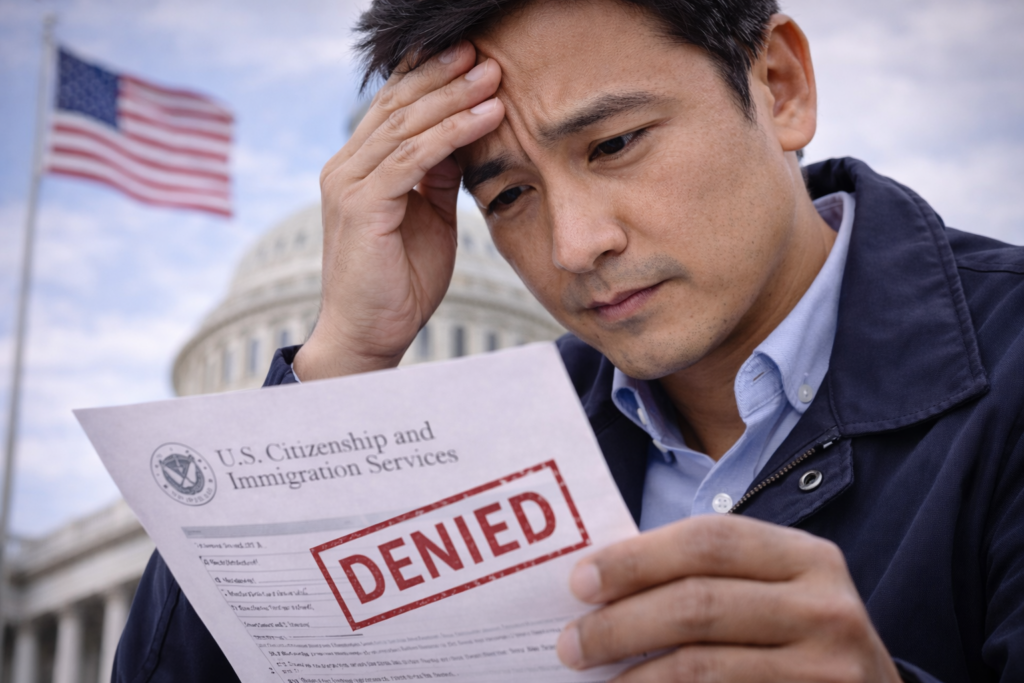
An immigration application denial can be alarming, particularly when your ability to remain in the United States is uncertain. In recent years, changes in policy have increased concern about what happens after a denial and whether it could lead to immigration court. While a denial does not automatically result in removal proceedings in every case, it can carry serious consequences depending on your status, the type of application filed, and current enforcement policies.
Why Immigration Applications Are Denied
Applications may be denied for many reasons, including missing evidence, failure to meet eligibility requirements, filing errors, prior immigration violations, or unfavorable discretionary determinations. Sometimes the issue is technical and correctable; other times, it is based on substantive legal grounds.
The denial notice issued by U.S. Citizenship and Immigration Services (USCIS) typically explains the reason for the decision. Reviewing this notice carefully is essential, as it determines both the legal impact of the denial and the options that may be available afterward.
What a Denial Can Mean for Your Status
The consequences of a denial vary widely. For some applicants, a denial simply means that a particular benefit—such as a work permit or visa petition—was not approved, while their underlying lawful status remains intact. For others, particularly individuals who were relying on the pending application to remain in the U.S., a denial may result in loss of authorized stay.
In certain situations, unlawful presence may begin to accrue after a denial, which can affect future immigration eligibility and trigger bars to reentry if the individual later departs the United States.
Increased Risk of Immigration Court After Denials
Recent USCIS policy changes have expanded the agency’s authority to issue Notices to Appear (NTAs)—the document that places an individual into removal proceedings—following certain application denials. If an application is denied and the individual is out of status or otherwise considered removable under immigration law, USCIS may choose to refer the case to immigration court.
This shift makes denials more consequential for some applicants, particularly those without another lawful status to rely on once a decision is issued.
Options After a Denial
Depending on the case, several options may still be available after a denial:
- Motion to Reopen or Reconsider: These requests ask USCIS to review the decision based on new evidence or legal error.
- Appeal: Some denials can be appealed to an administrative authority, subject to strict deadlines.
- Refiling: In certain cases, correcting deficiencies and submitting a new application may be possible.
- Defensive Options in Immigration Court: If placed in removal proceedings, individuals may be able to seek relief before an immigration judge.
Each option depends heavily on timing, procedural rules, and individual immigration history.
Why Legal Guidance Is Especially Important
Because denials may now carry a higher risk of enforcement consequences, taking action without understanding the full legal impact can be risky. Missing a filing deadline, departing the U.S. prematurely, or refiling incorrectly may worsen the situation rather than resolve it. An immigration attorney can assess the denial, explain potential risks, and help determine the most appropriate next steps.
Immigration Matters Deserve Careful Planning
Immigration cases are complex, and even small errors or delays can have long-term consequences. Whether you are an individual, family member, or organization navigating the immigration process, having clear guidance can help you move forward with confidence.
If you have questions about your immigration status, eligibility, or next steps, consulting with an immigration attorney may help clarify your options and reduce unnecessary delays.
L. P. Taylor Law works with clients to navigate immigration matters thoughtfully and strategically.
This article is for informational purposes only and does not constitute legal advice. Immigration outcomes depend on individual circumstances and current law and policy.