
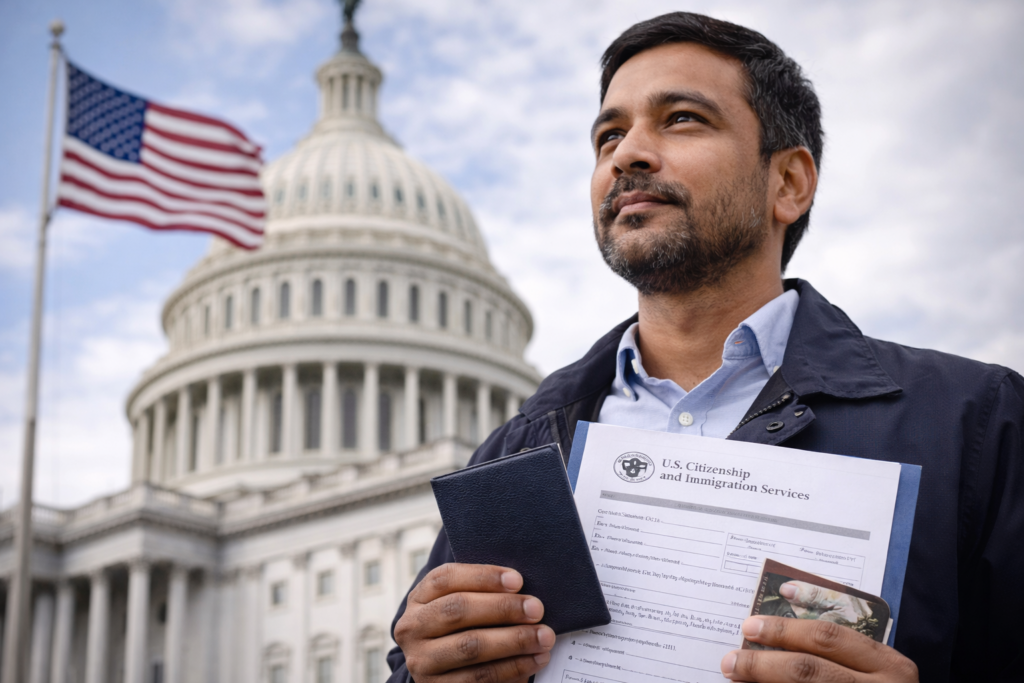
One of the most common and pressing concerns for individuals navigating the immigration system is whether they can lawfully remain in the United States while their case is pending. The answer depends on several factors, including your current immigration status, the type of application filed, and whether you complied with entry and filing requirements. Understanding these distinctions is critical, as remaining in the U.S. without authorization can have serious long-term consequences.
Lawful Status vs. Authorized Stay
In immigration law, there is an important distinction between lawful status and authorized stay. Some individuals maintain lawful status while their application is pending, while others may not have lawful status but are permitted to remain in the U.S. temporarily due to a pending application.
For example, certain visa holders who timely file an extension or change of status application may remain in the U.S. while awaiting a decision. In other situations, an individual may no longer hold valid status but is permitted to stay while their application for a specific immigration benefit is being processed.
Adjustment of Status Applicants
Individuals who apply for lawful permanent residence from within the United States—often referred to as adjustment of status—are commonly permitted to remain in the country while their application is pending. During this period, applicants may also be eligible to apply for employment authorization and advance parole, which can allow work and limited travel while the case is under review.
However, travel without proper authorization can result in abandonment of the application, making it essential to understand the rules before leaving the country.
Pending Asylum or Humanitarian Applications
Applicants seeking asylum or certain humanitarian relief may generally remain in the United States while their case is pending. These cases often take significant time due to backlogs, and eligibility for work authorization typically depends on how long the application has been pending and whether the delay was caused by the applicant.
Because these cases involve heightened legal and factual scrutiny, careful compliance with procedural requirements is especially important.
Visa Overstays and Pending Applications
Filing an application does not automatically protect everyone from immigration consequences. Individuals who overstay a visa or fall out of status before filing may still face risks, depending on the type of relief sought. In some circumstances, unlawful presence can continue to accrue even while an application is pending, which may affect future eligibility for immigration benefits.
Why Legal Guidance Matters
Remaining in the United States during a pending immigration case often depends on nuanced legal rules and timing. Small mistakes—such as filing late, traveling without authorization, or misunderstanding eligibility—can result in denial, delays, or removal proceedings. Each person’s situation is fact-specific, and assumptions based on others’ experiences can be misleading.
Immigration Matters Deserve Careful Planning
Immigration cases are complex, and even small errors or delays can have long-term consequences. Whether you are an individual, family member, or organization navigating the immigration process, having clear guidance can help you move forward with confidence.
If you have questions about your immigration status, eligibility, or next steps, consulting with an immigration attorney may help clarify your options and reduce unnecessary delays.
L. P. Taylor Law works with clients to navigate immigration matters thoughtfully and strategically.
This article is for informational purposes only and does not constitute legal advice. Immigration outcomes depend on individual circumstances and applicable law.