
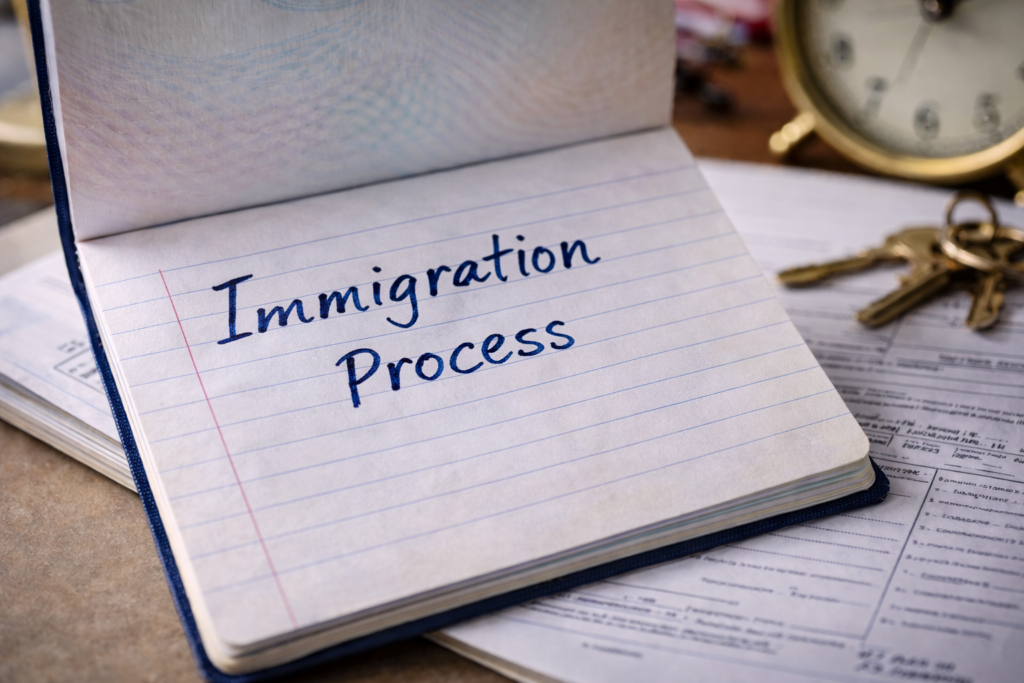
One of the most common questions in immigration law is also one of the hardest to answer: How long will the process take? The reality is that immigration timelines vary widely depending on the type of case, the applicant’s circumstances, government processing backlogs, and whether additional evidence or interviews are required. Understanding the factors that affect timing can help set realistic expectations and reduce unnecessary frustration.
Why Immigration Timelines Vary
Unlike many legal processes with fixed deadlines, immigration cases are handled by multiple government agencies, each with its own procedures and workload. Processing times can change frequently due to staffing levels, policy shifts, global events, or increases in application volume. Even two cases that appear similar on the surface may move at very different speeds.
Key variables include:
- The type of immigration benefit sought
- Whether the applicant is inside or outside the United States
- The applicant’s immigration history
- Government backlogs and requests for additional evidence
Common Immigration Processes and General Timeframes
Family-Based Immigration
Petitions for close family members often take many months and, in some cases, several years. Immediate relatives of U.S. citizens generally move faster than preference-category relatives, which may be subject to annual visa limits.
Employment-Based Immigration
Employment-based visas and green cards can involve multiple steps, such as labor certification, employer petitions, and adjustment of status or consular processing. Each stage has its own timeline, and delays at any point can extend the overall process.
Adjustment of Status
Applying for lawful permanent residence from within the United States typically includes background checks, biometrics, and an interview. While some applicants receive decisions within months, others experience longer waits depending on case complexity and local office workloads.
Naturalization
The path to U.S. citizenship involves eligibility requirements, filing an application, an interview, and a civics and English exam. Processing times can vary significantly by location and individual circumstances.
Requests for Evidence and Interviews
One of the most common causes of delay is a request for additional documentation. Even minor errors or omissions can pause a case for weeks or months. Interviews may also be rescheduled due to agency backlogs, adding further time.
Careful preparation and accurate filings at the outset can help reduce the likelihood of these delays, though they cannot eliminate them entirely.
Planning Ahead Is Essential
Because immigration benefits often affect employment, travel, family unity, and long-term legal status, timing is not just an inconvenience—it can have serious consequences. Filing too late, misunderstanding eligibility rules, or relying on incorrect information may result in missed opportunities or extended periods of uncertainty.
Consulting with an immigration attorney early in the process can help identify potential obstacles, develop a realistic timeline, and ensure that filings are properly prepared.
Immigration Matters Deserve Careful Planning
Immigration cases are complex, and even small errors or delays can have long-term consequences. Whether you are an individual, family member, or organization navigating the immigration process, having clear guidance can help you move forward with confidence.
If you have questions about your immigration status, eligibility, or next steps, consulting with an immigration attorney may help clarify your options and reduce unnecessary delays.
L. P. Taylor Law works with clients to navigate immigration matters thoughtfully and strategically.
This article is for informational purposes only and does not constitute legal advice. Immigration timelines vary, and consultation with a qualified attorney is recommended for guidance specific to your situation.